

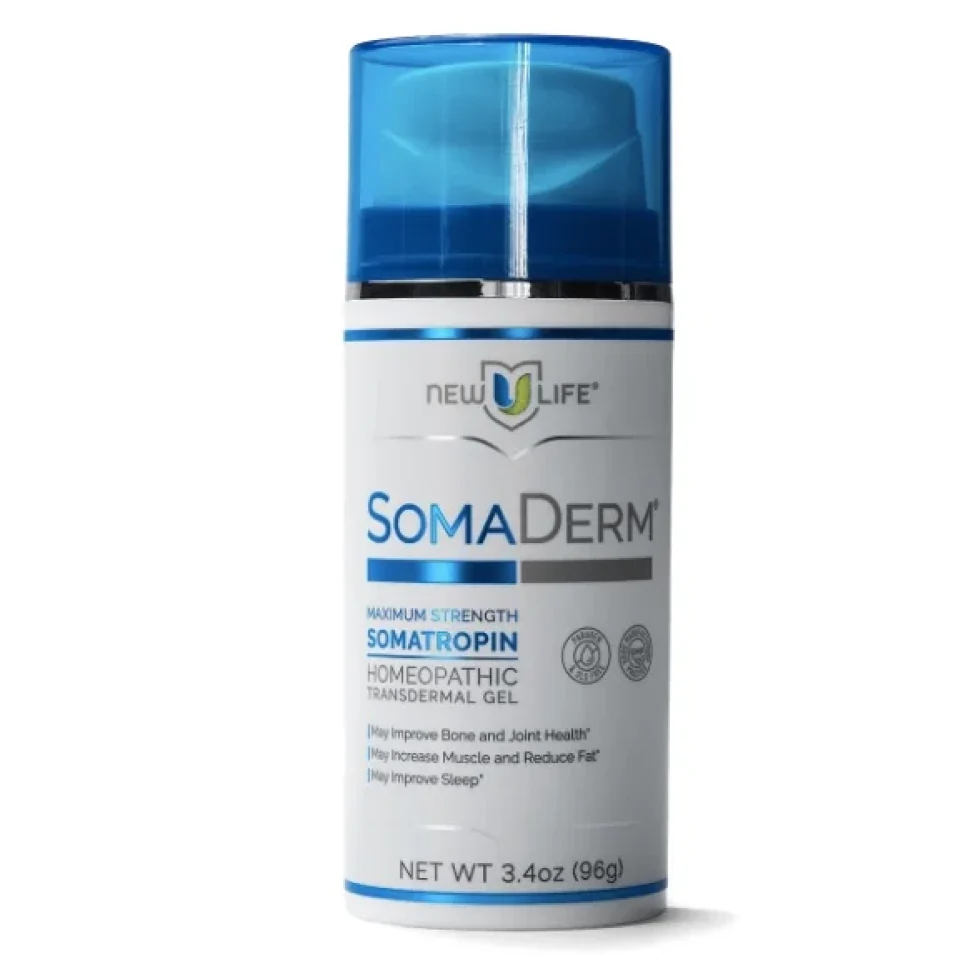
Somatropin and Anti-Aging: How Human Growth Hormone Is Changing Modern Wellness
A look at how synthetic human growth hormone therapy may support longevity, recovery, metabolic health, and modern wellness strategies.

In the growing world of longevity, wellness optimization, and anti-aging medicine, interest in human growth hormone therapy has increased significantly. One of the most widely discussed treatments is Somatropin, a synthetic form of Human Growth Hormone (HGH).
Originally developed for medical conditions involving growth hormone deficiency, Somatropin is now being explored in age-management medicine, metabolic health, recovery, and overall wellness optimization.
In this article, we’ll explore the potential health benefits of Somatropin, how it works in the body, and why it has become a topic of interest in the fields of anti-aging therapy, hormone optimization, and preventive health.
What Is Somatropin?
Somatropin is a bioidentical synthetic version of human growth hormone naturally produced by the pituitary gland. Growth hormone plays a critical role in many biological processes, including:
- Cell regeneration
- Tissue repair
- Muscle growth
- Bone density
- Metabolism regulation
Medical-grade Somatropin has been approved for specific conditions by the U.S. Food and Drug Administration, particularly for individuals with diagnosed growth hormone deficiency.
However, researchers and clinicians specializing in longevity medicine are increasingly studying its broader impact on aging physiology and metabolic health.
Potential Wellness Benefits of Somatropin
When prescribed and monitored by qualified medical professionals, Somatropin therapy may support several aspects of health and wellness.
1. Improved Body Composition
One of the most commonly reported benefits of growth hormone therapy is improved body composition.
Somatropin may help:
Increase lean muscle mass
Reduce body fat percentage
Improve metabolic efficiency
These changes are particularly relevant as natural growth hormone levels decline with age, often beginning in the early 30s.
2. Anti-Aging and Longevity Support
Aging is associated with reduced cellular repair and slower metabolic processes. Because growth hormone influences cellular regeneration and tissue repair, Somatropin is often discussed in the context of anti-aging therapies.
Potential anti-aging effects may include:
- Improved skin elasticity
- Increased collagen production
- Enhanced cellular regeneration
- Better sleep quality
While research continues, these mechanisms are why Somatropin is frequently explored in age management medicine and longevity clinics.
3. Enhanced Recovery and Physical Performance
Growth hormone plays a major role in muscle recovery and tissue repair.
Individuals using medically supervised Somatropin therapy sometimes report:
- Faster post-exercise recovery
- Improved muscle repair
- Increased energy levels
- Better exercise endurance
These benefits make HGH therapy a topic of interest among fitness enthusiasts, athletes, and biohackers focused on performance optimization.
4. Bone Density and Joint Health
As people age, bone density naturally declines, increasing the risk of osteoporosis and fractures.
Growth hormone helps stimulate bone remodeling and mineralization, which may support:
- Stronger bones
- Improved joint function
- Reduced risk of bone degeneration
For individuals experiencing hormone decline, restoring optimal hormone balance may help maintain skeletal health and mobility.
5. Metabolic and Cardiovascular Health
Emerging research suggests growth hormone may influence lipid metabolism, insulin sensitivity, and cardiovascular markers.
Some potential metabolic benefits include:
- Improved fat metabolism
- Support for healthy cholesterol levels
- Enhanced energy metabolism
These metabolic effects are why hormone optimization is sometimes incorporated into preventive health and longevity programs.
Important Considerations
Although Somatropin shows promise in many areas of wellness and anti-aging research, it is not a casual supplement.
Somatropin is a prescription medication and should only be used:
- Under qualified medical supervision
- With appropriate hormone testing
- As part of a personalized health program
Misuse or unsupervised use can lead to unwanted side effects and health risks.
Learning More About Somatropin Therapy
For individuals interested in learning more about Somatropin therapy, hormone optimization, and wellness programs, you can explore additional information at:
The platform provides resources related to modern longevity medicine, hormone health, and wellness-focused therapies.
Final Thoughts
As interest in longevity science, hormone balance, and preventive medicine continues to grow, Somatropin remains one of the most researched therapies in the field of human growth hormone treatment.
When used appropriately under medical guidance, it may offer meaningful support for:
- Healthy aging
- Body composition optimization
- Recovery and performance
- Metabolic health
However, responsible medical oversight and individualized treatment planning remain essential.
The future of wellness is increasingly focused on precision health, hormone optimization, and proactive aging strategies — and Somatropin is an important part of that ongoing conversation.